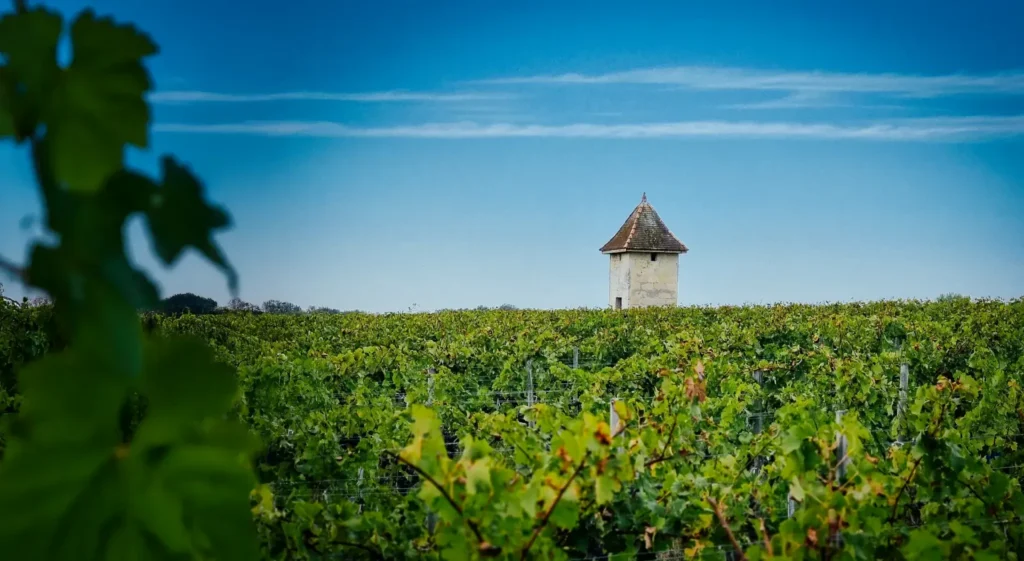
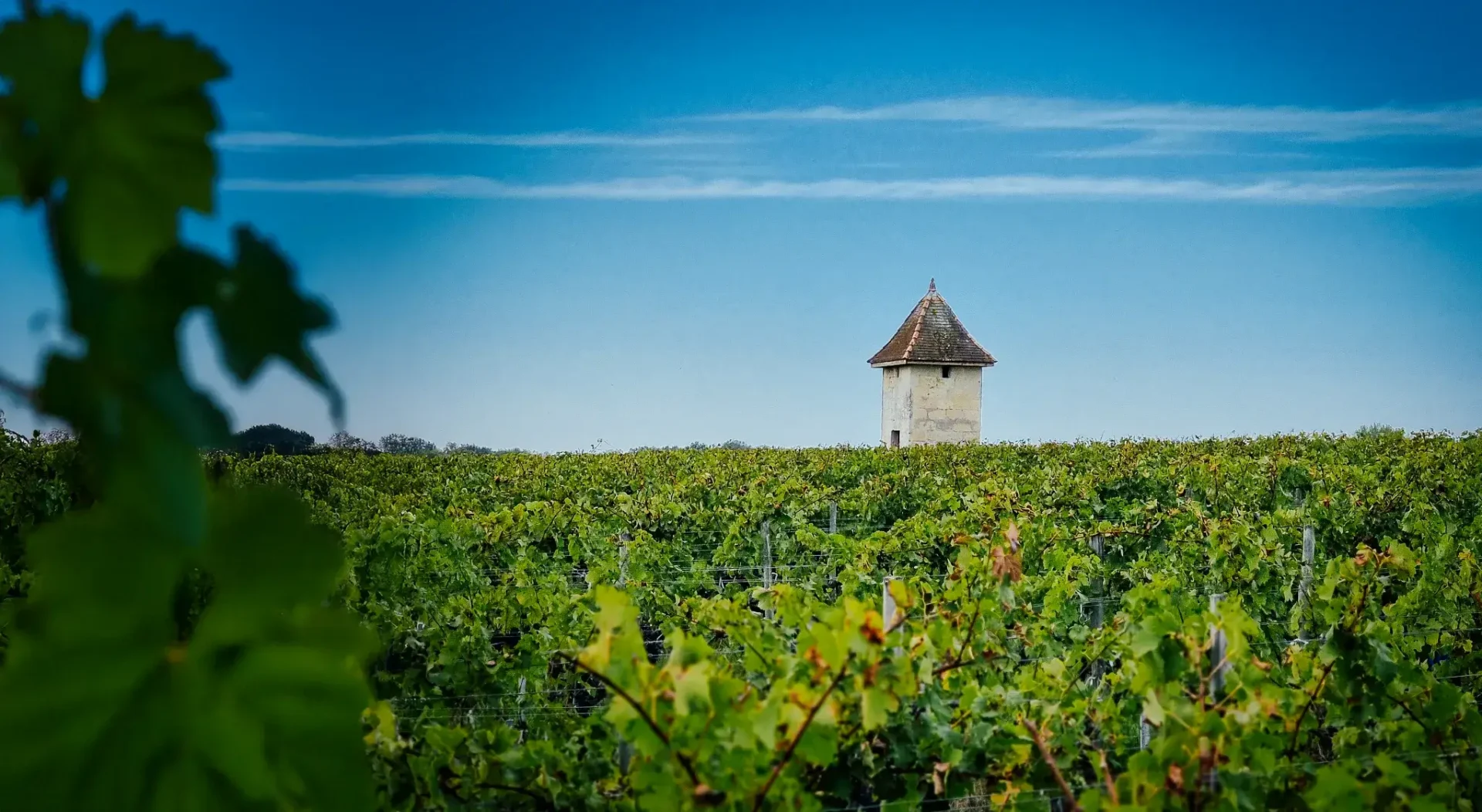
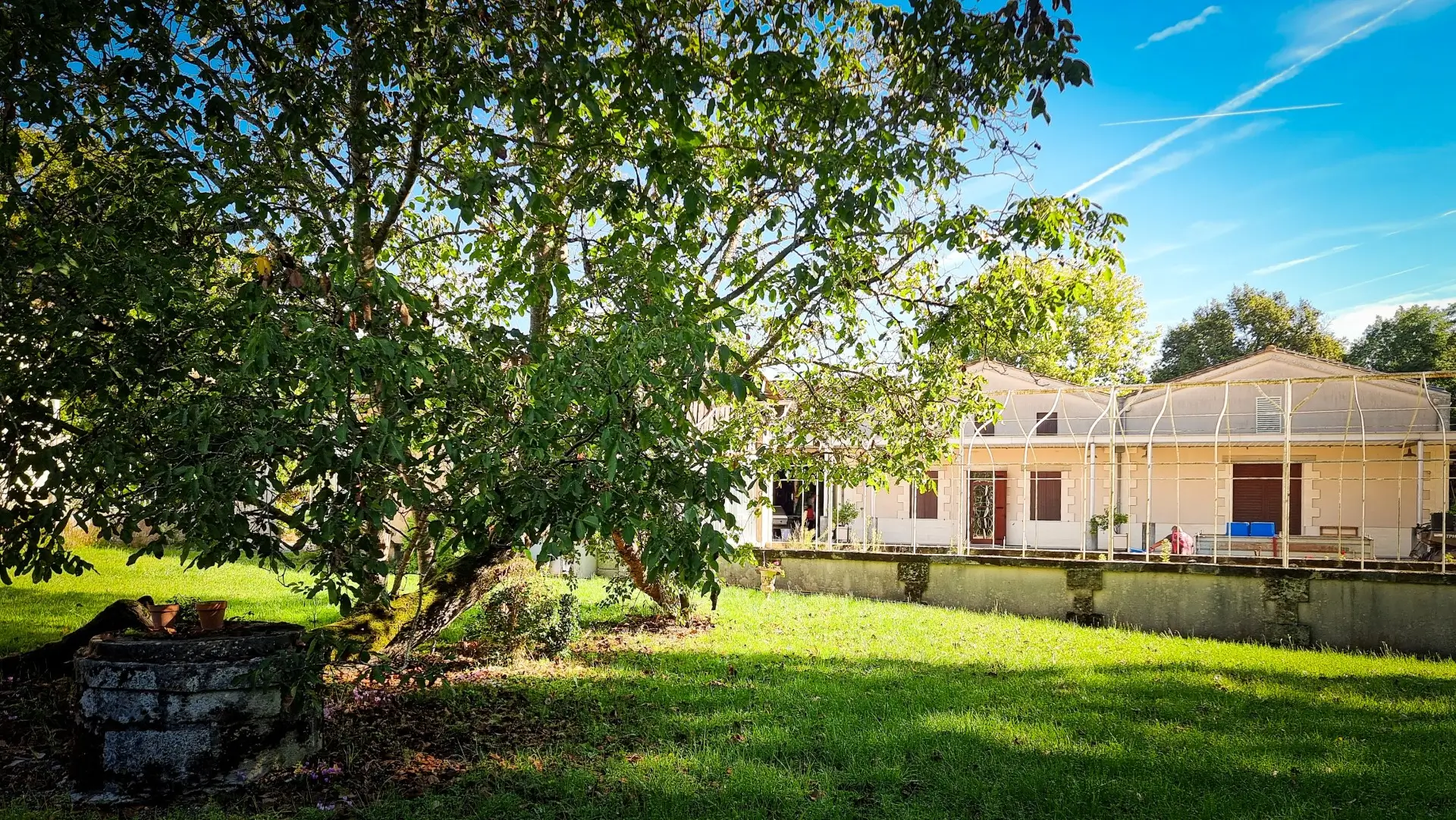
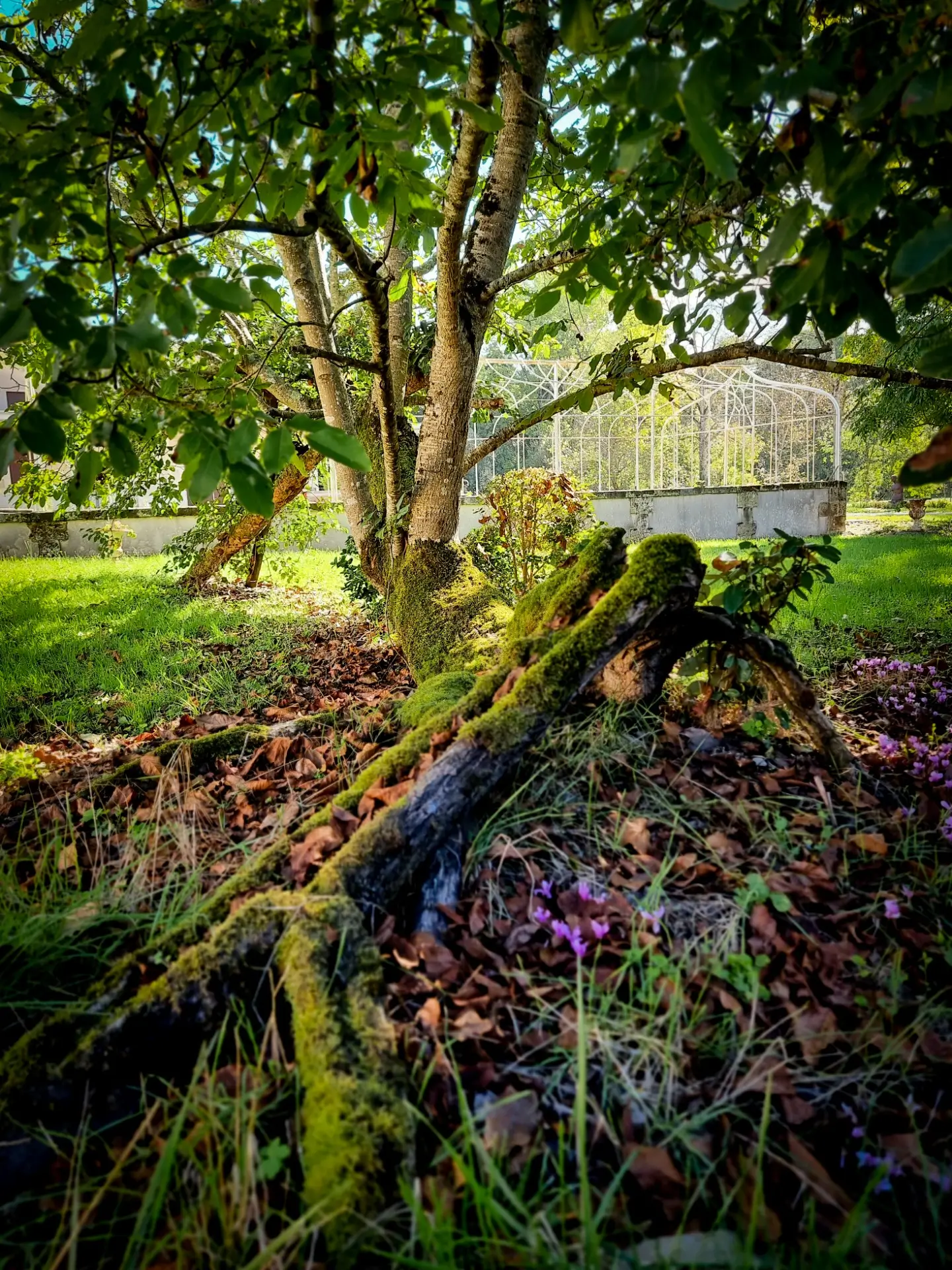
Nestled in the heart of the prestigious Margaux appellation, our estate perpetuates the art of viticulture and winemaking with a passion passed down through generations and a constantly refined expertise. From vine to bottle, we are committed to expressing the full potential of our terroir in each vintage, combining tradition, innovation, and respect for nature. Our quest for excellence gives rise to wines of character and distinction, meant to be enjoyed over years, decades, generations.
Prelude: The Vines
IN THE VINEYARD
The work in the vineyard is essential to the quality of our wines: each stage of the vegetative cycle requires meticulous attention in order to produce well-formed and healthy grapes.
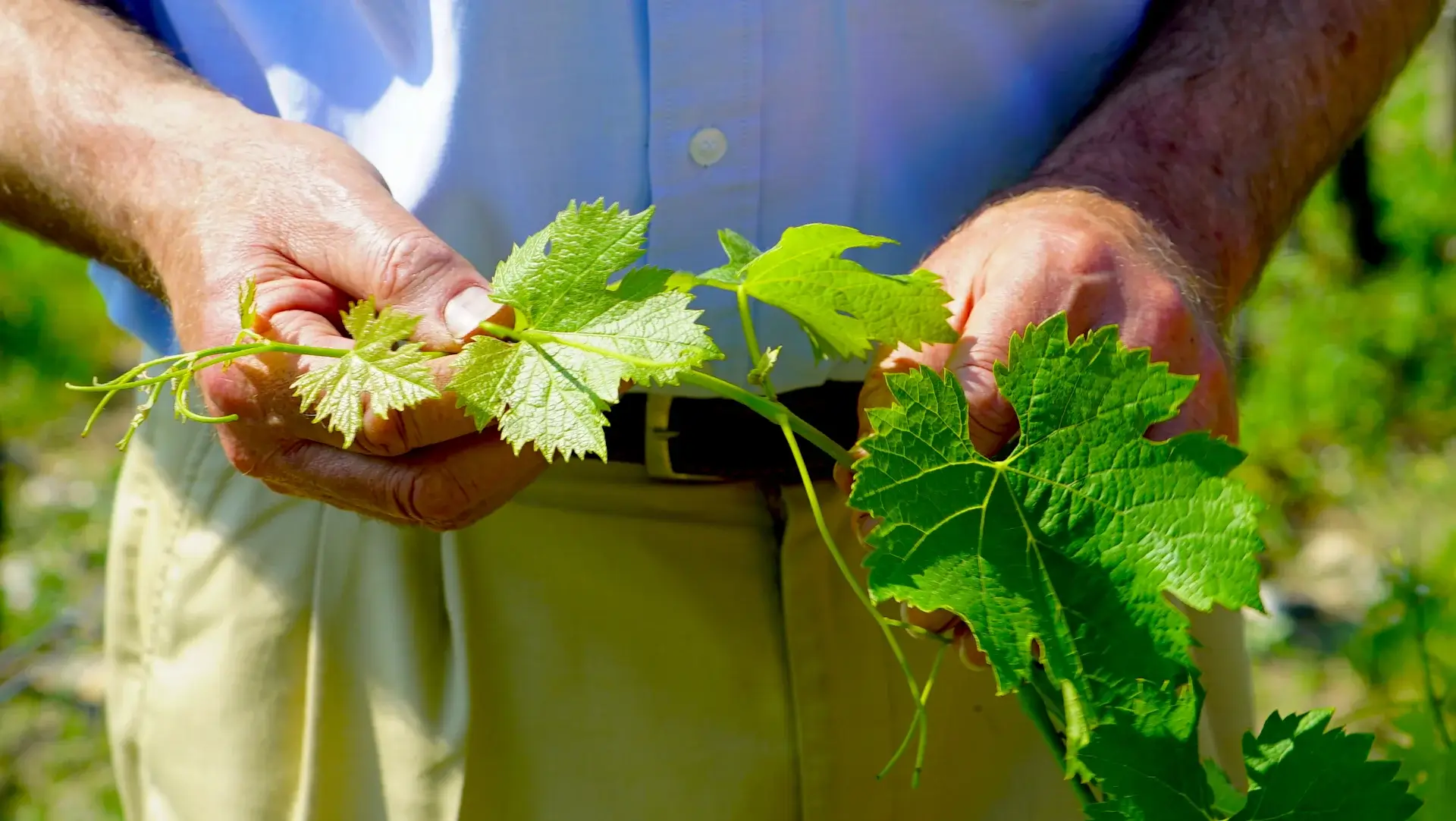
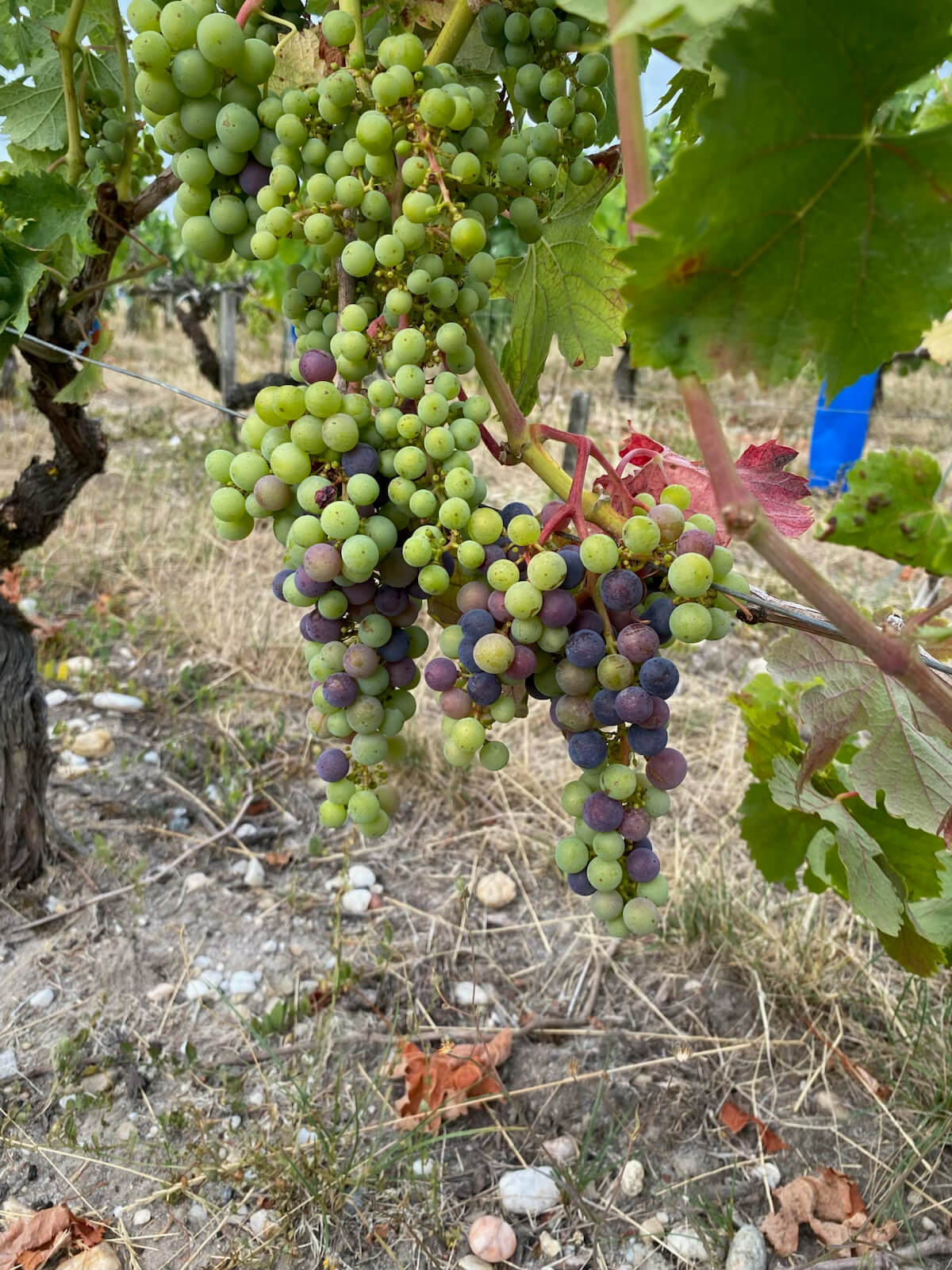
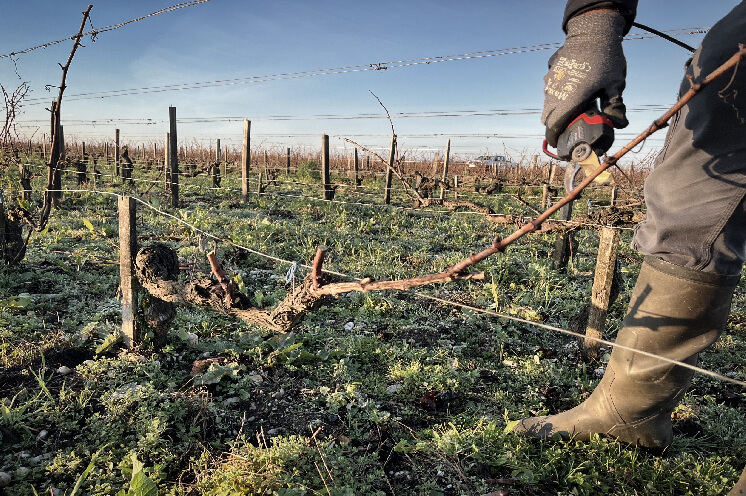
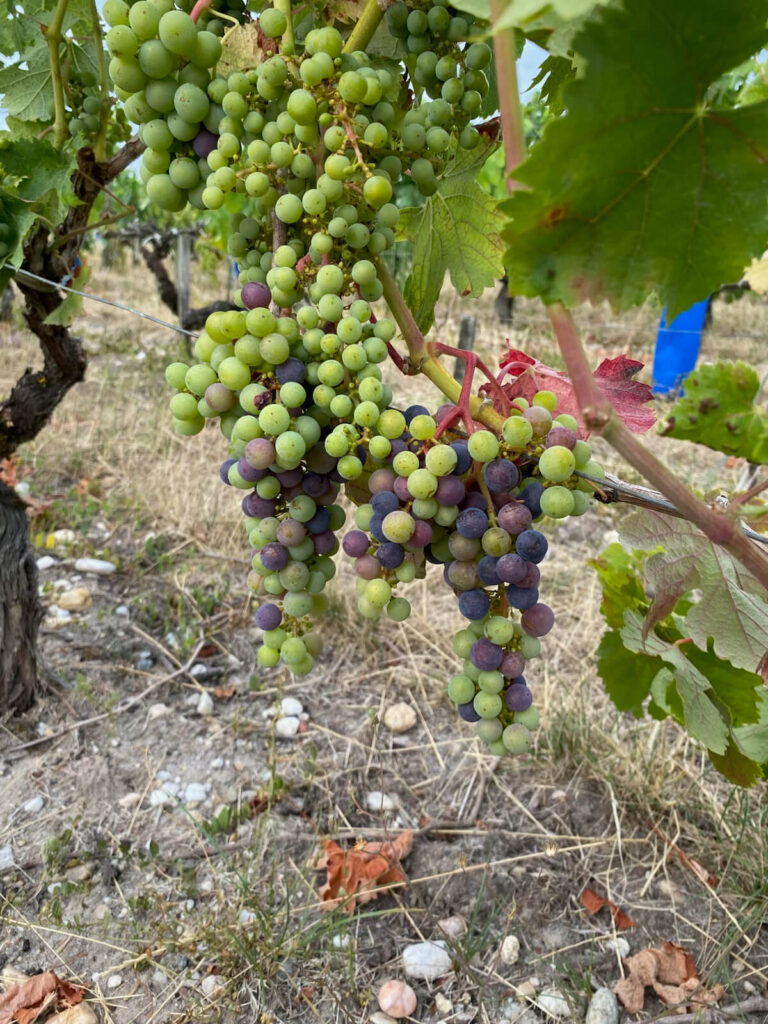
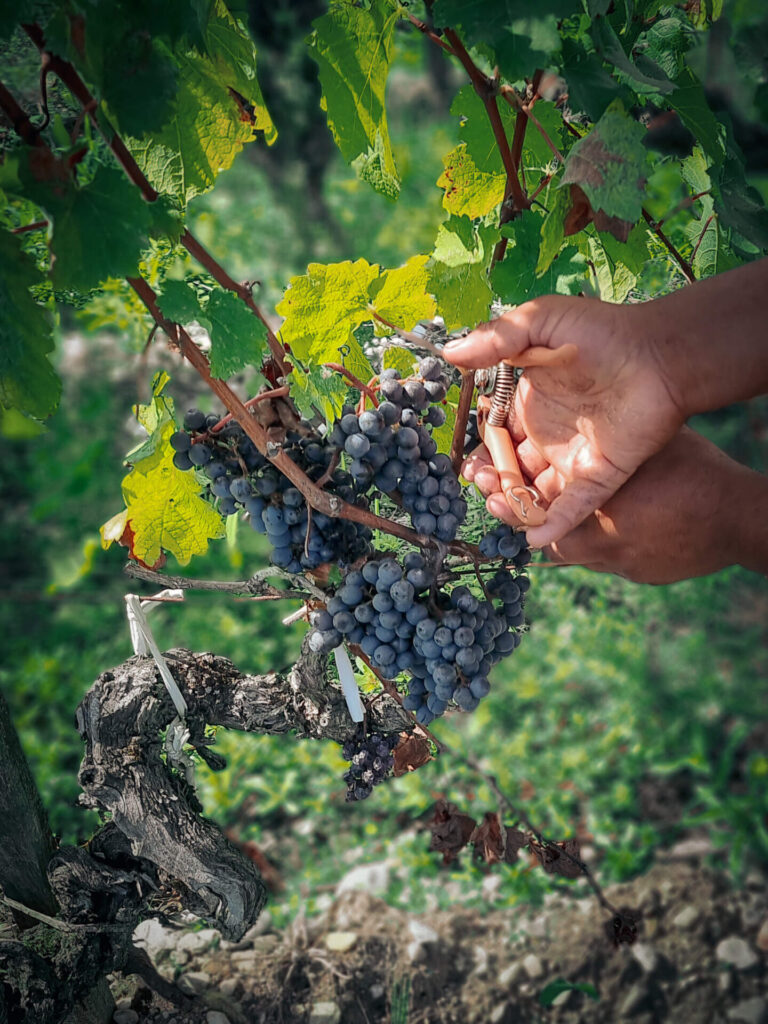
Carefully carried out by experienced staff, the winter pruning is a crucial operation that influences the quality and longevity of the vintage as well as vine health. In spring, we remove unwanted shoots, favoring those that will bear the best fruit, thus ensuring good air circulation and optimal sun exposure. Next comes véraison, when the grapes change color, signaling the beginning of ripening. At this stage, the sugars produced by the foliage under the influence of the sun become available to the grapes, and subsequently to the vine itself.
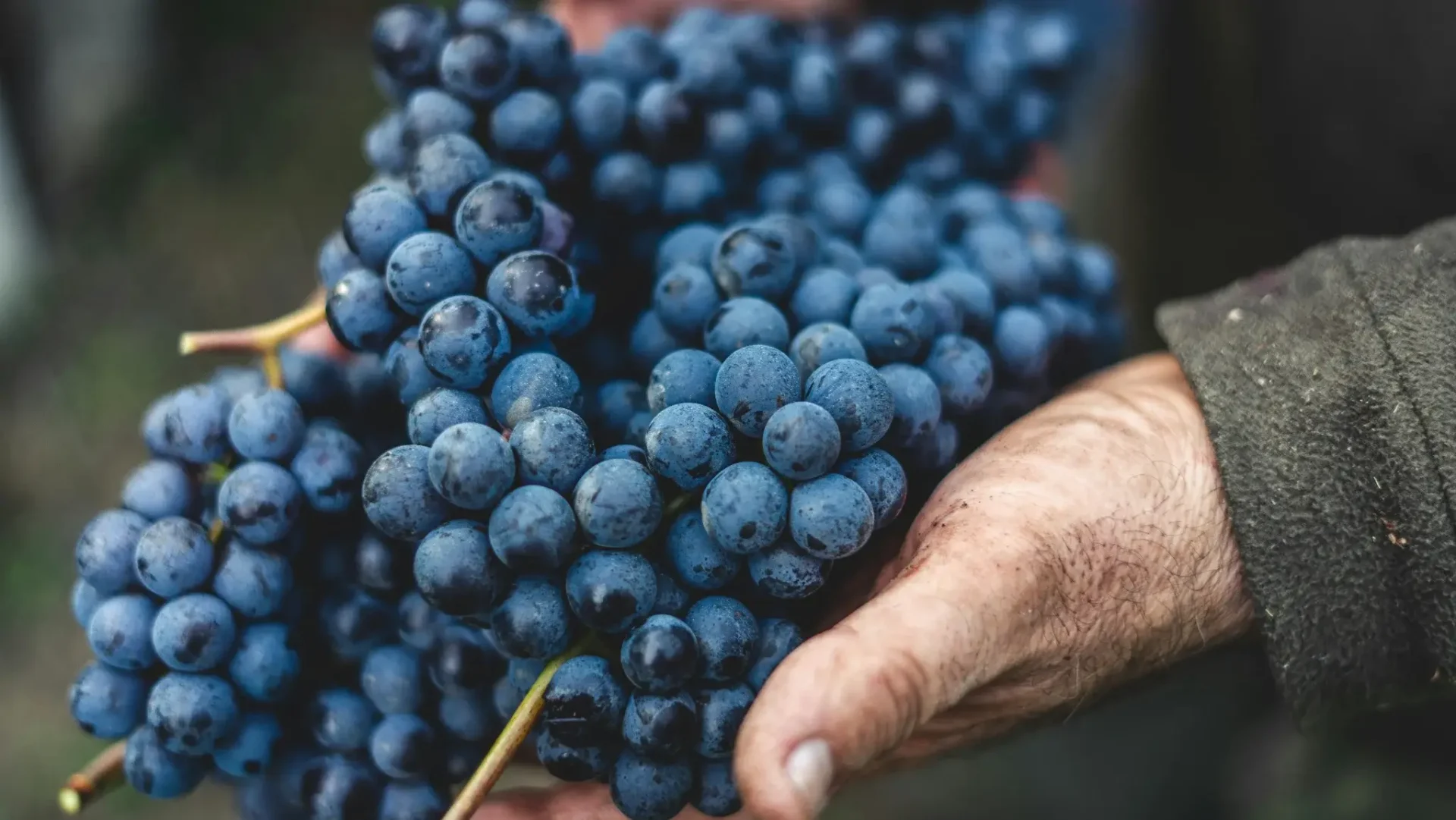
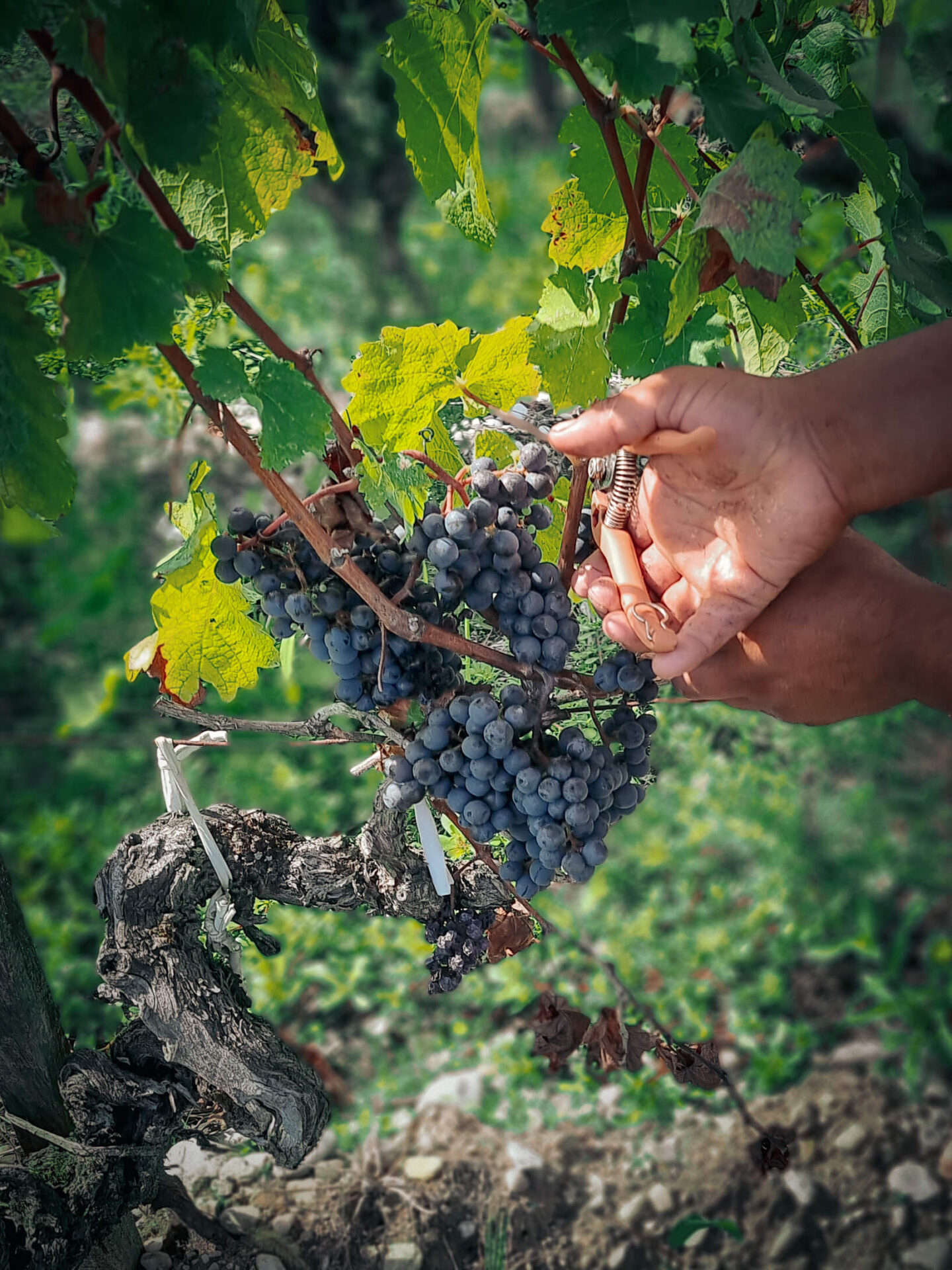
Finally, the optimal time for hand-harvesting arrives: analytical, visual, and gustatory monitoring of the grapes, as well as weather conditions, guides our decision of the harvest date.
We practice environmentally-friendly viticulture, favoring a natural balance. Chemical fertilizers are no longer used, replaced by organic composts that enrich and preserve the vitality of our soils; natural ground cover protects the soils while promoting biodiversity; insecticides were abandoned in the early 2000s, replaced by environmentally-friendly techniques such as mating disruption.
The Art of Winemaking
IN THE CELLAR
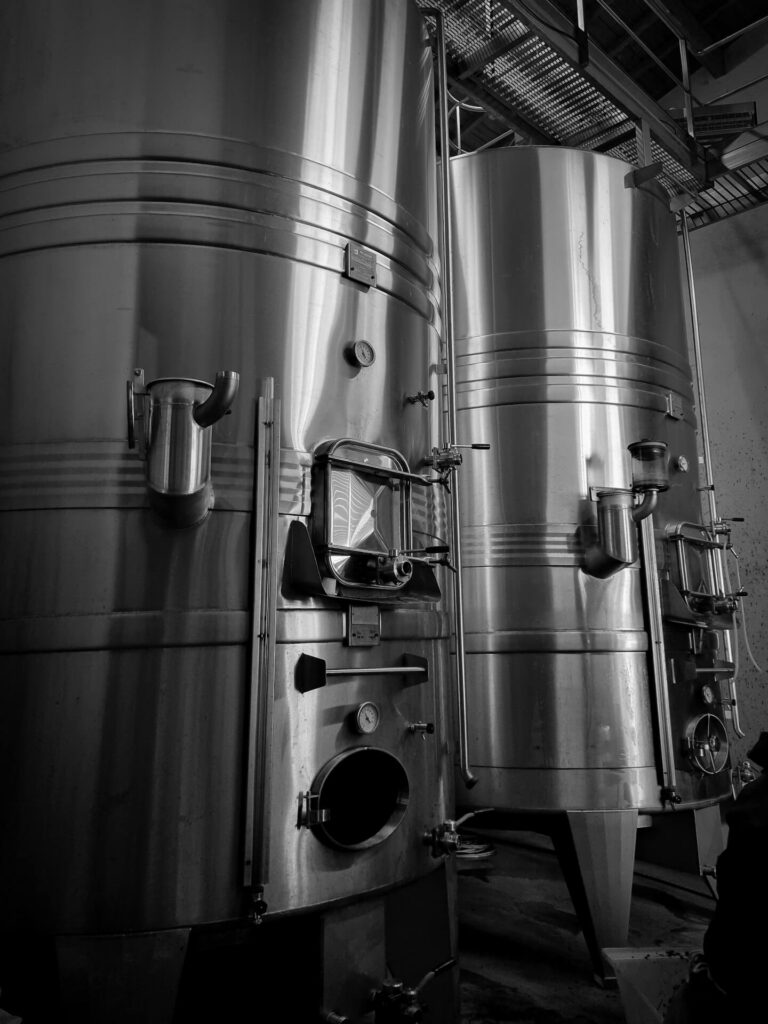
Once harvested, the grapes are placed in cement vats and stainless steel tanks, where fermentation parameters, such as temperature, are controlled.
During maceration, from 8 to 35 days depending on the vintage, we strive for optimal extraction of color, tannins, and aromas, which shapes the character of Boyd-Cantenac wines: structured, complex, refined, and elegant. Too light an extraction results in a wine lacking body; too deep an extraction can introduce herbaceous or bitter notes.
Nos jeunes vignes bénéficient d’extractions plus douces, donnant des vins plus fruités, moins complexes, qui entrent dans l’assemblage de nos seconds vins.
Next comes the malolactic fermentation, an essential step for refining and softening the wines, giving them a velvety texture. The wines continue their evolution for 12 to 18 months in French oak barrels. Free-run wines are traditionally aged in new oak, thus developing their complexity and structure.
Harvesting, vinification, and aging are carried out plot by plot, preserving the identity of each batch. Regular tastings reveal the most promising batches which will be blended together to create Château Boyd-Cantenac, Grand Cru Classé. The remaining batches, often from younger vines, contribute to the production of our second wines.
Rooted in respect for our terroir and a passion for our craft, our winemaking tradition has been upheld for over a century. It is dedicated to combining nature and expertise to create a high-quality wine that is elegant, complex and refined.
The Vineyard Through the Seasons
Intermezzo, Barrel Aging
Every step in the Boyd-Cantenac winemaking process is crucial, and aging in oak barrels is no exception.
Each year, we meticulously select our staves directly with our cooper, who ages them to reveal their full potential. This method ensures that our barrels possess a unique identity, influenced by the specific toasting methods chosen, which enriches the aromatic profile of our wines.
Thanks to this careful approach, we obtain a variety of aromas that are reflected in the complexity and elegance of Château Boyd-Cantenac wines.
Our team, the guardians of our heritage
The team at Château Boyd-Cantenac is the beating heart of our estate, combining experience and expertise with dedication and enthusiasm. They work with unity and devotion to uphold the stability, tradition and quality that the Guillemet family – drawing on expertise passed down through the generations – wishes to preserve for Boyd-Cantenac. Our wines are thus both the result of professional teamwork and a celebration of our agricultural, gastronomic and cultural heritage.
OF TIME AND WINE
A vintage in the making, from vine to bottle
January – March
Pruning & Preparation
Winter sculpts the vine: each vine is pruned with precision and the soils are prepared, nourished and aerated, to welcome a new year of growth.
April
Budbreak & Protection
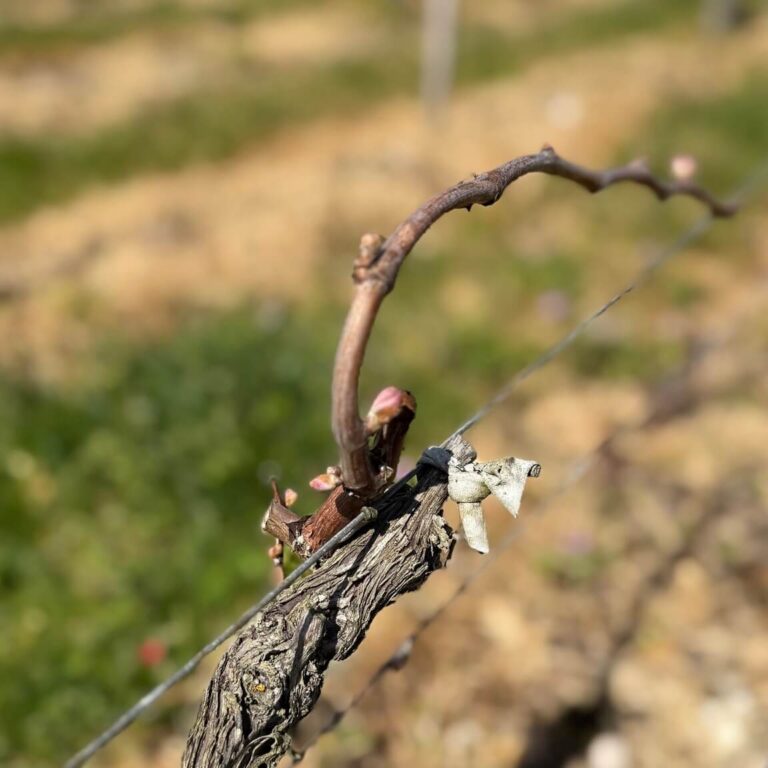
The buds burst open as the vines wake up from their winter dormancy. At this stage, each plot is monitored and protected, guided by observation of the vines and the weather patterns.
May – June
Flowering & Canopy Management
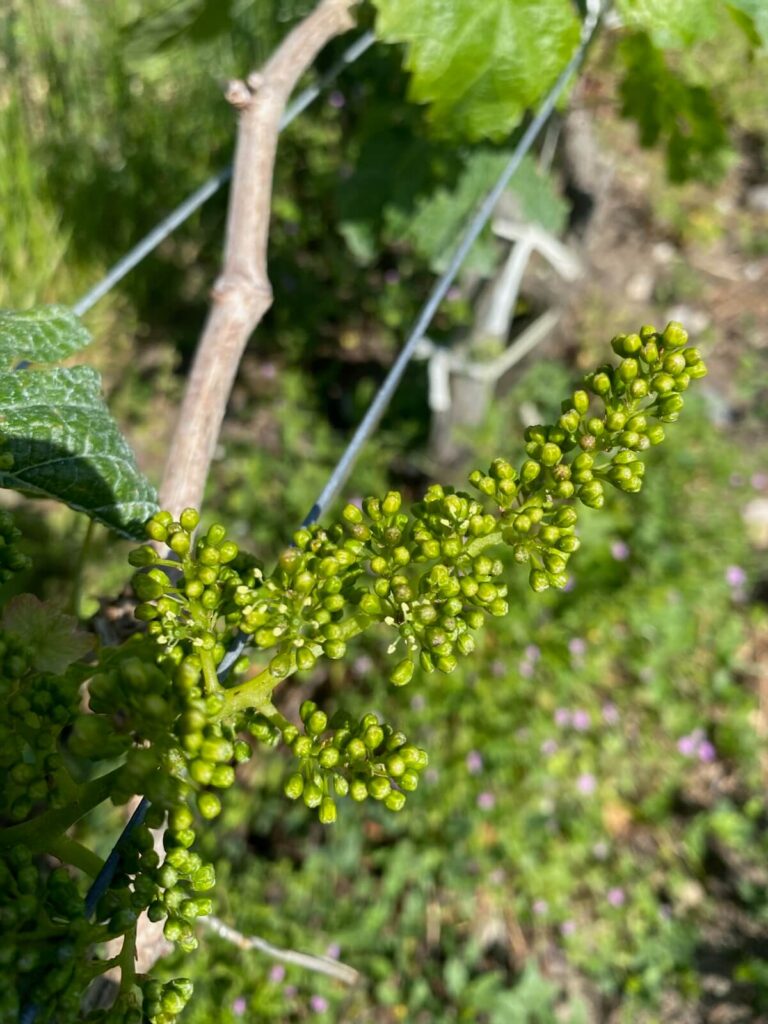
The climatic conditions during flowering determine the harvest potential. Shoot thinning, vine training, and leaf removal ensure good air circulation and optimal sun exposure, allowing for homogeneous grape ripening.
July – August
Véraison & Ripening
At véraison, the grapes change color, signaling the beginning of their ripening. From this moment on, the grapes begin developing their sugars and aromas.
September – October
Harvest
The optimal time for harvest is decided plot by plot, based on analytical, visual, and gustatory monitoring of the grapes, as well as on current weather conditions.
October – Spring
Cellar Work & Barrel Aging
During fermentation and maceration, the extraction of color, tannins, and aromas shapes the character of the wine.
Racking during the barrel aging clarifies and refines the wine, further enriching the aromatic profile.
Spring N+1
Blending
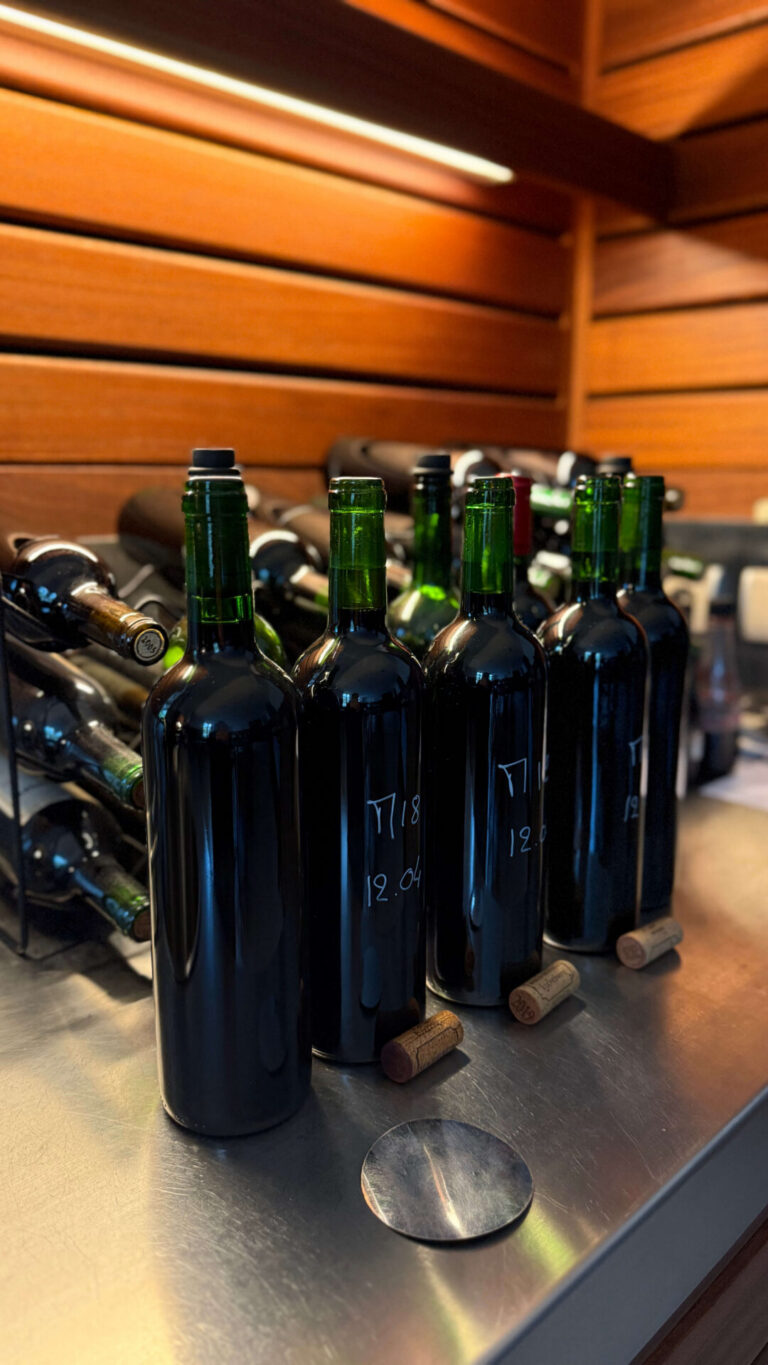
The different batches are individually tasted, selected and blended to create a balanced, harmonious wine that reflects the character of the terroir.
April N+2
Bottling
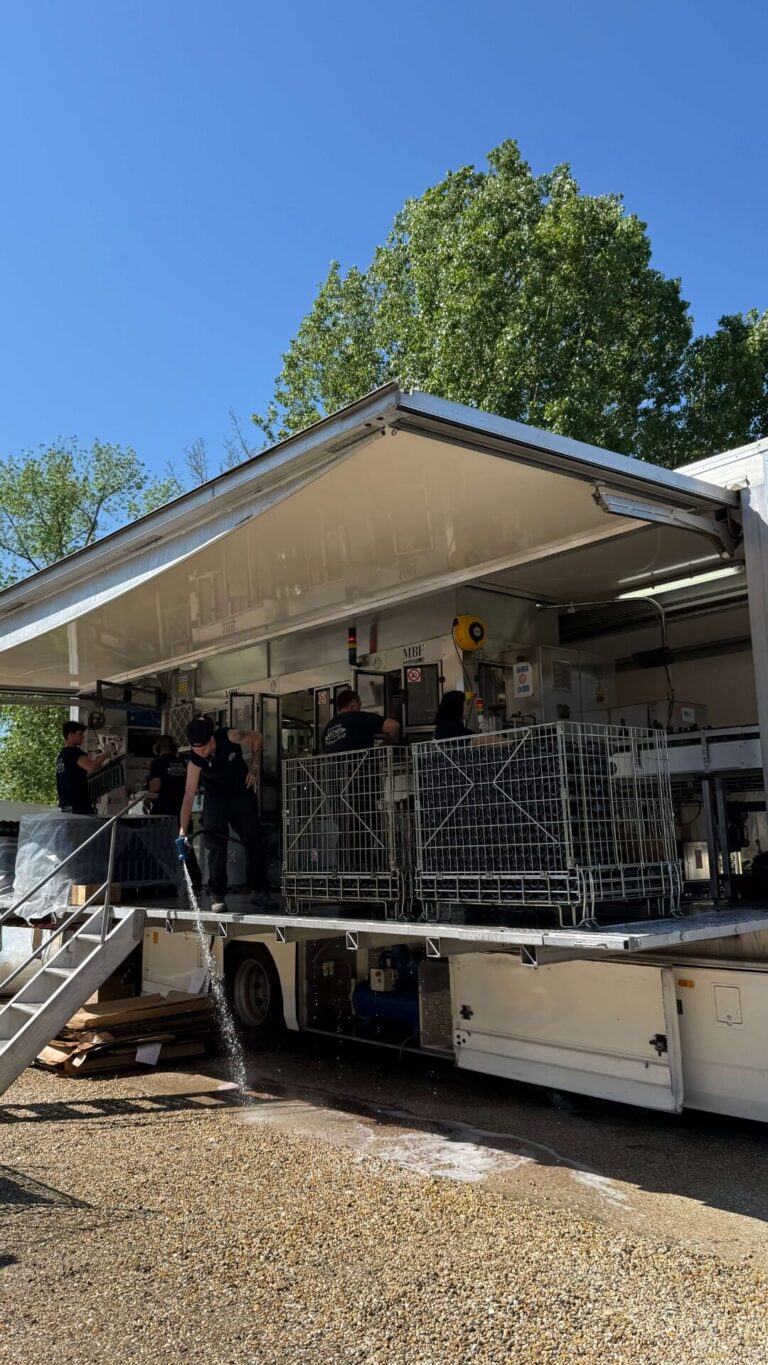
The wine is now ready to be bottled, after which bottle aging can begin. The wine continues to mature, gaining complexity and elegance until it is ready to be enjoyed.
Welcome
Are you of legal drinking age in the country where you live?